Planning a country house wedding is one of the most rewarding experiences you can have, but it does require a slightly different approach to booking a traditional venue.
As a country house wedding planner who has coordinated countless celebrations across the South of England, I’ve learned what makes these weddings flow beautifully and what pitfalls to avoid.
Whether you’re planning a celebration at a private family home, a historic manor or a country house you’ve fallen in love with, this guide will walk you through everything you need to know.
When Should You Start Planning a Country House Wedding?
Country house weddings tend to benefit from a slightly longer planning timeline because there are often more moving parts involved. Ideally, couples start looking at venues around 12 to 18 months before their wedding date. Popular country houses can book up quite quickly, especially during the summer months when the gardens and grounds are at their best.
That said, I’ve also worked with couples on shorter timelines. It’s always worth having a conversation with your preferred country house to check availability, even if your date is sooner than you’d initially hoped.
Your Country House Wedding Planning Timeline: Month by Month
12-18 Months Before
- Visit and book your country house venue
- Book your country house wedding planner
- Secure your marquee company (if needed)
- Book photographer and videographer
- Start researching caterers
9-12 Months Before
- Book caterer and confirm menu style
- Book florist
- Confirm accommodation arrangements
- Book entertainment (band/DJ)
- Order wedding dress
6-9 Months Before
- Finalise guest list
- Send save the dates
- Book transport
- Arrange luxury toilets and any additional infrastructure
- Finalise ceremony plans (legal vs celebrant-led)
3-6 Months Before
- Send invitations
- Finalise marquee layout and styling plans
- Book hair and makeup
- Arrange any additional lighting or power needs
- Confirm all supplier timings
1-3 Months Before
- Final supplier meetings
- Create detailed timeline
- Arrange final site visits
- Confirm weather contingency plans
- Brief the planner on all final details
Final Weeks
- Confirm final numbers with caterer
- Finalise seating plan
- Check weather forecast and adjust plans if needed
- Let your planner take over the coordination
This timeline is a guide, not a rigid structure. Every country house wedding is different, and your planner will help you adjust the timeline to suit your specific needs.
Understanding the Costs of a Country House Wedding
One of the most common misconceptions about planning a country house wedding is that it will be cheaper than a traditional venue. In reality, costs can add up quite quickly once you factor in all the elements you need to bring in.
What’s Included in Venue Hire
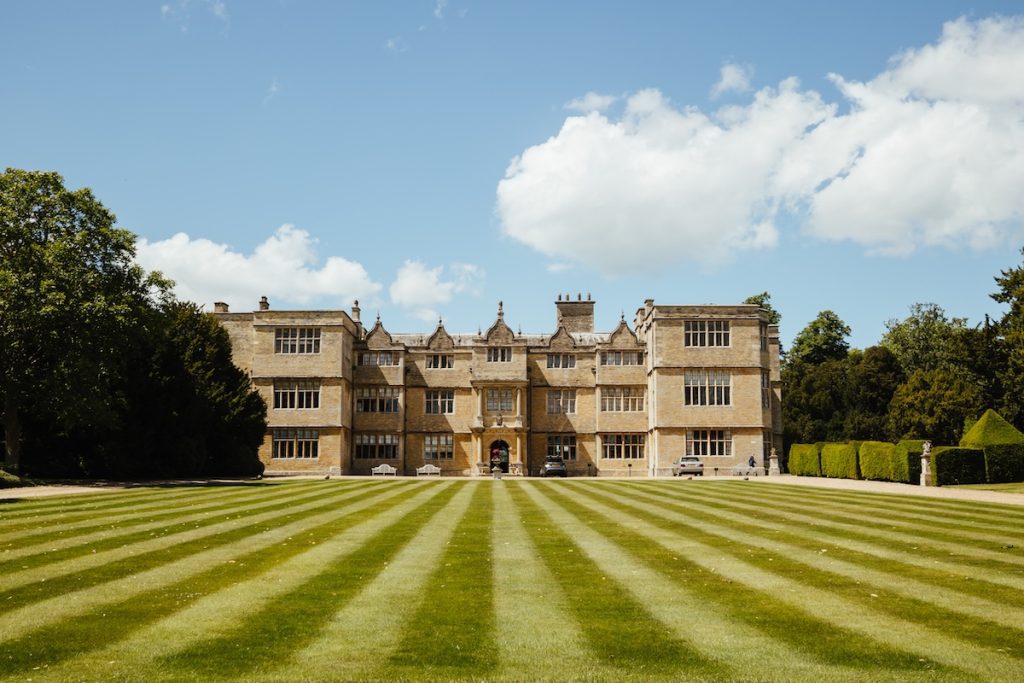
Alongside the venue hire, it’s important to think about the elements that help turn the house (but more importantly often the space you get and can use) into a fully functioning wedding venue for the day. The venue hire may not include all the extras couples will need.
Some country houses offer accommodation, exclusive use of the grounds and basic infrastructure like power and parking. Others provide a completely blank canvas where you need to bring in everything from toilets to generators.
Always ask the country house exactly what’s included in your hire fee and what you’ll need to arrange separately.
What You’ll Need to Budget For
If the reception is being held in a marquee, couples will need to budget for the marquee itself along with flooring, lighting, furniture and heating if needed. Marquee costs can vary hugely depending on size, style and what’s included.
Infrastructure is another key part of the budget when planning a country house wedding. This can include generators or power supply, luxury toilets, catering tents and sometimes additional lighting across the grounds.
You’ll also need to consider guest transport and accommodation, particularly if the venue is in a more rural location. Many country house weddings involve guests travelling from different parts of the country, so providing clear information about nearby hotels or arranging group accommodation is really helpful.
Additional staff should also be factored in. Unlike traditional venues with built-in teams, country houses may need you to arrange security, parking attendants, rubbish collection and post-event cleaning.
For detailed guidance on budgeting, read my complete guide: Ten Steps for Creating a Wedding Budget.
Don’t underestimate the wedding logistics
Planning a country house wedding involves coordinating multiple elements that traditional venues handle in-house. This is where working with an experienced country house wedding planner becomes essential.
Power supply, marquee building, it all adds up
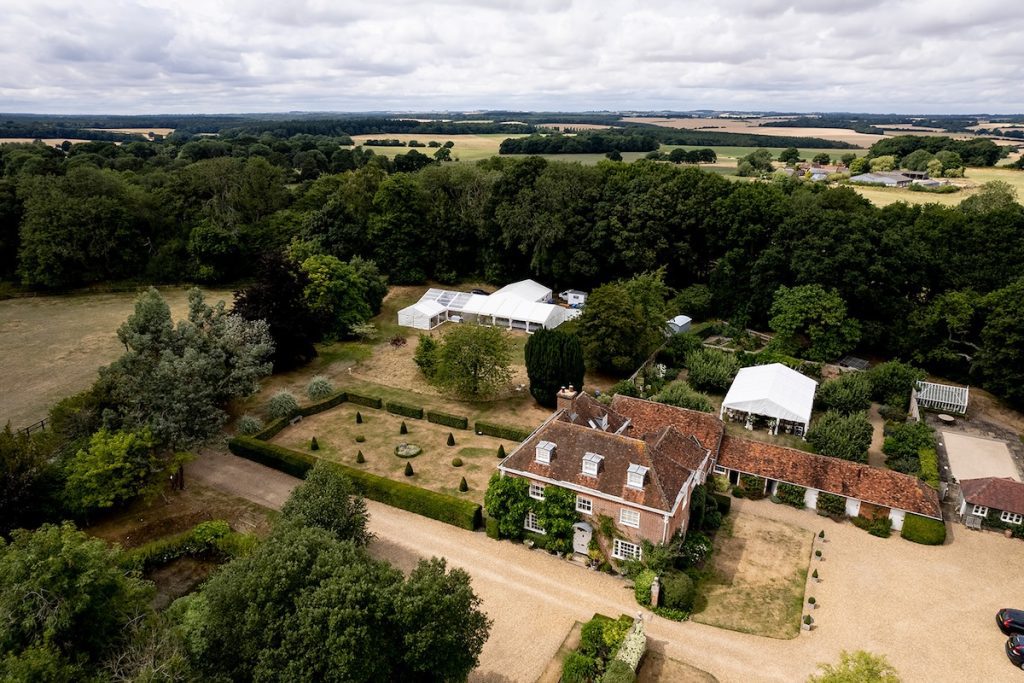
The biggest surprise for most couples is the level of logistics involved behind the scenes. Power supply, marquee builds, supplier deliveries and the distances between different areas being used (such as a ceremony by a lake and reception on a lawn by the house) all need careful planning.
I’ve worked on weddings where the ceremony took place in the village church, drinks reception at the family country house and evening reception in a field in the valley below the village. This required different teams running each area and transport for moving guests between locations. It was wonderful, but it needed meticulous coordination.
Setup Time and Supplier Access
Allow enough time for multiple days of preparation before the wedding. Marquee builds, in particular, can take several days depending on size and complexity. You’ll also need to think about access for large vehicles, especially if the country house has narrow lanes or soft ground.
Weather plays a role too. If it’s been raining heavily in the days before your wedding, marquee companies may need to adjust their approach to protect the ground. Having a good relationship with your suppliers and a flexible timeline helps enormously.
Creating a Smooth Guest Experience
Parking, transport, accommodation and clear signage around the grounds all make a huge difference to how smoothly the day runs for guests. Many country houses are tucked away down country lanes or have limited parking, so you may need to arrange shuttle buses or provide very clear directions.
Think about older guests or those with mobility needs too. If there are steps, uneven ground or long walks between different areas, you’ll want to plan alternative routes or transport.
Planning for the Great British weather
Have robust contingency plans for British weather. Even summer weddings can see sudden downpours, so you need to know exactly what happens if it rains. Is your marquee big enough to hold everyone comfortably? Are there covered walkways between the house and marquee? Where will people gather if the ceremony needs to move indoors?
I always have a plan A, plan B and sometimes plan C when planning a country house wedding. The key is making sure every scenario has been thought through so nothing catches you by surprise on the day.
For more on avoiding common pitfalls, read my guide: Common Marquee Wedding Mistakes (And How a Marquee Wedding Planner Helps You Avoid Them).
Do You Really Need a Wedding Planner for a Country House Wedding?
It isn’t essential, but many couples find it incredibly helpful. Country house weddings often involve more moving parts than traditional venues, particularly when marquees or external suppliers are involved. A planner helps coordinate the logistics, manage suppliers and ensure everything runs smoothly behind the scenes.
You can check my availability here.
For couples planning from a distance or those with busy jobs, having that support early can certainly ease the planning pressure. A planner can attend many logistics and site visits with suppliers and be the “on the ground” person that couples need when working at a country house.
If you’re planning from abroad or from another part of the UK, read my guide on planning a wedding from a distance.
What a Country House Wedding Planner Actually Does
As your country house wedding planner, I provide full planning from venue selection through to the wedding day, supplier coordination for marquees, caterers, florists, lighting, power and all infrastructure, on-site logistics management including setup, timelines and troubleshooting, design and styling expertise to make the most of your setting, local knowledge and established supplier relationships across the South of England and calm, experienced coordination so you can enjoy every moment.
My role is to handle the complexity so you experience only the magic. For more on my approach, visit my wedding planning services page.
A few favourite country house weddings planned by me
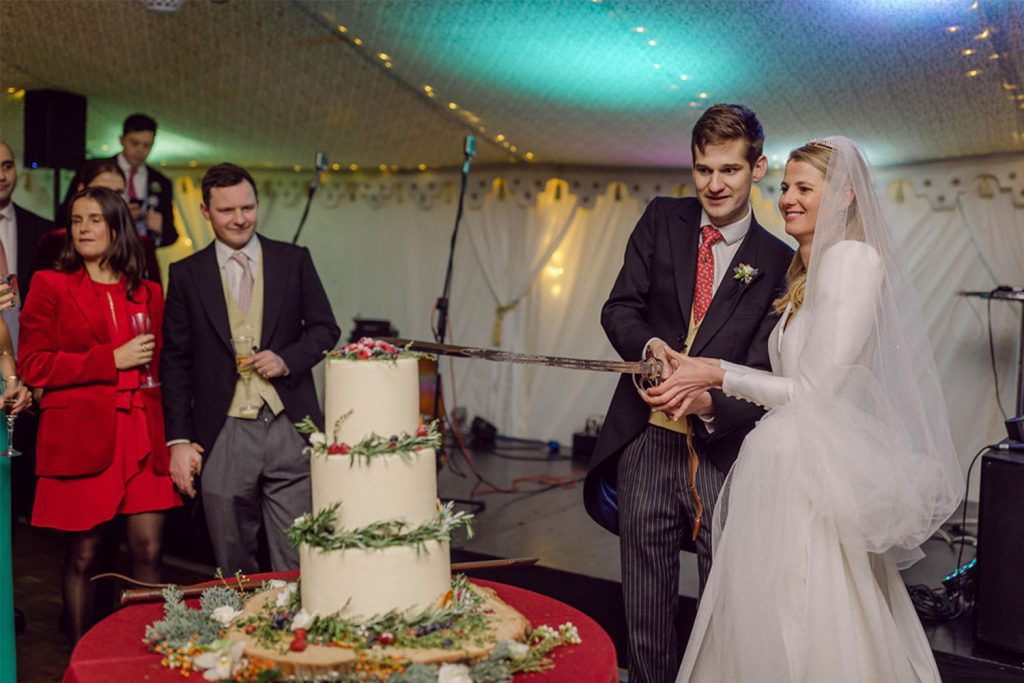
Gina and John’s Winter Country House Wedding
When Gina and John got married at Welford Park in December, the planning process involved some unique challenges. The marquee build took place in minus nine-degree temperatures, which meant we had to run heaters continuously during setup to keep everything safe and workable.
We also had to plan for the possibility of snow (which did arrive beautifully on the morning of the wedding) and make sure all suppliers had appropriate access despite the frozen ground. The result was magical, but it only worked because every detail had been carefully thought through months in advance.
You can read all about their beautiful country house wedding in the snow here
Amelia and Dan’s Cotswolds Celebration
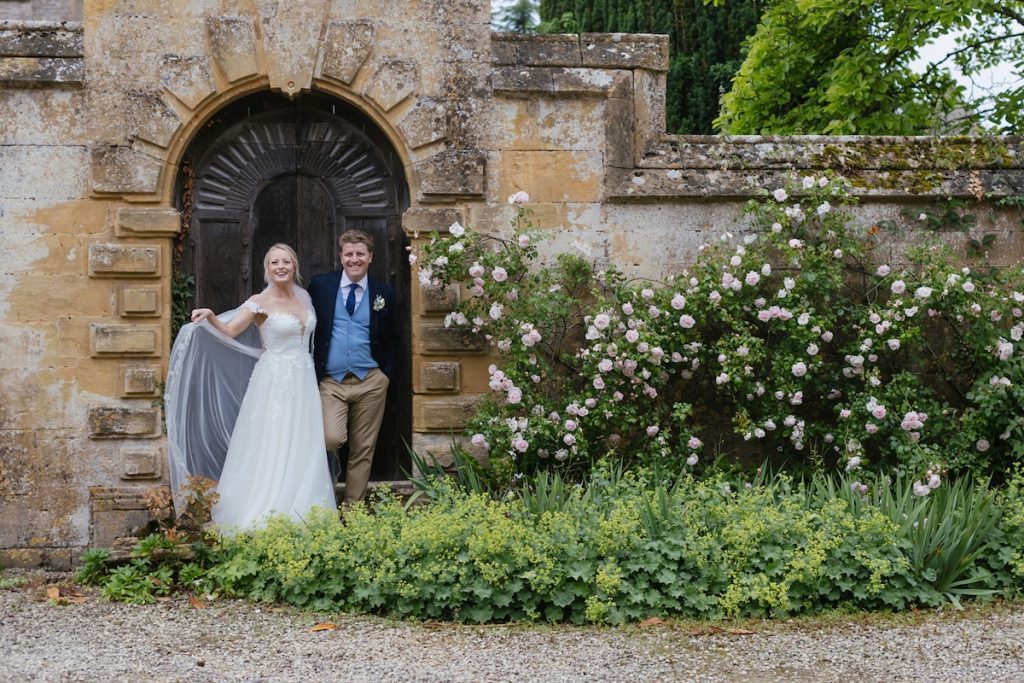
For Amelia and Dan’s Stanway House wedding, planning involved coordinating multiple suppliers for marquee setup, Tithe Barn styling and the logistics of moving guests between the church ceremony and the estate reception.
I created a comprehensive timeline covering everything from supplier arrivals and setup times to key logistics such as ceremony arrival times for the bridal party, guest transportation to the reception, speeches alongside the timing of the wedding breakfast and cake cutting.
In the days leading up to the wedding, I oversaw the entire setup, checking the marquee layout, setting up the barn and tables, styling the decorations and ensuring every space looked exactly as envisioned. On the wedding day itself, I was there from start to finish, coordinating suppliers, managing timings and troubleshooting behind the scenes so Amelia, Dan and their guests could simply enjoy the day.
Read all about their beautiful country house & marquee wedding here
Camilla and Severin’s Anglo-French Wedding
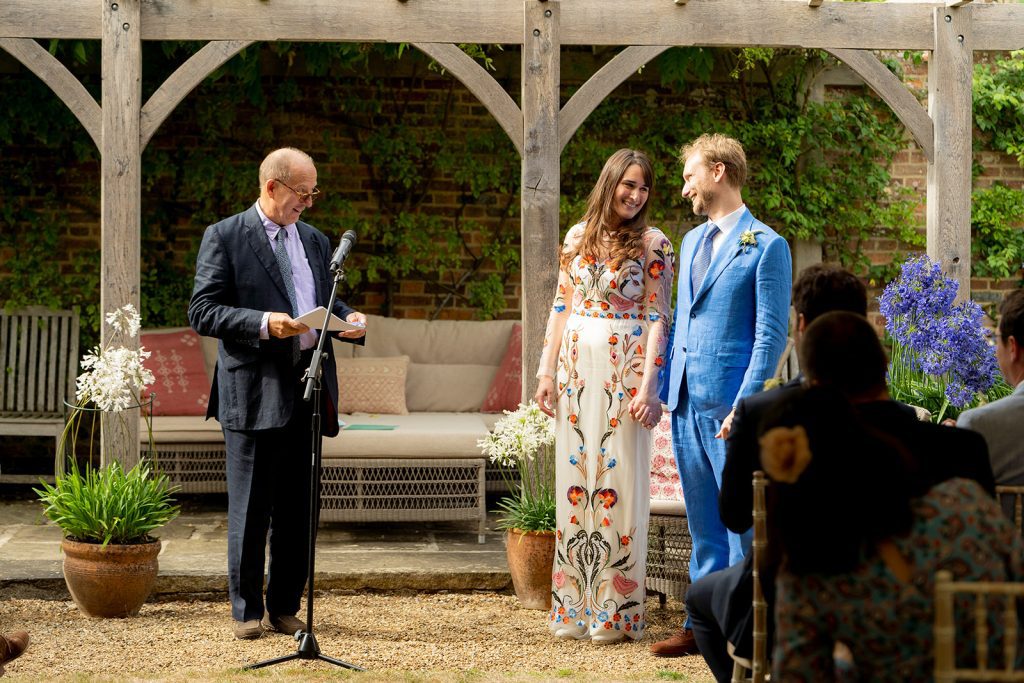
Planning Camilla and Severin’s wedding at the family home in Wiltshire involved some beautiful cultural considerations. We created dual-language order of service booklets and coordinated a bilingual ceremony so guests from both England and France felt completely included.
The planning also extended beyond the wedding day itself to include a relaxed Sunday brunch with BBQ, swimming and lawn games. This kind of multi-day celebration is one of the real joys of country house weddings, but it does require careful thought about catering, staffing and how spaces will be used differently across the weekend.
Enjoy all the beautiful photos from Camilla & Severin’s country house wedding here
FAQ Common Questions About Planning a Country House Wedding
How much does a country house wedding cost?
Costs vary hugely depending on guest numbers, location and what you want to include. As a rough guide, most couples planning a country house wedding should budget for venue hire (anywhere from £2,000 to £10,000+ depending on exclusivity and what’s included), marquee and infrastructure (£10,000-£30,000 depending on size and specification), catering (£80-£150+ per head), flowers and styling (£3,000-£10,000+) and all other suppliers (photography, entertainment, stationery).
The total typically ranges from £30,000 to £80,000+ for a full country house wedding with 100-150 guests, though this can be higher or lower depending on your choices.
Can we DIY elements to save money?
You can, but be realistic about what you have time and skills for. Things like creating your own signage, arranging favours or doing table styling yourself can work well. However, anything structural or logistical (marquee setup, power supply, catering equipment) really needs to be handled by professionals for safety and insurance reasons.
What if we want a smaller, more intimate country house wedding?
Many country houses work beautifully for intimate weddings of 40-60 guests. You might not need a marquee at all and could use the house’s indoor reception rooms instead. This often simplifies the planning and can be more budget-friendly while still giving you that exclusive country house feeling.
How do we choose between different country houses?
Visit them. Photos only tell part of the story. You need to walk the grounds, understand the flow between spaces and get a feel for the atmosphere. Also think about practical things like guest numbers, accommodation availability, how far guests have to travel and whether the house suits your style.
For a full guide on what questions to ask your wedding venue when viewing, read my guide
Ready to Start Planning Your Country House Wedding?
Planning a country house wedding is absolutely achievable with the right support and timeline. Whether you’re just starting to explore the idea or you’ve already booked your venue and need help with the logistics, I’d love to support you through the process.
As a country house wedding planner specialising in Berkshire weddings, Oxfordshire weddings, Gloucestershire and the Cotswolds weddings, Wiltshire weddings, Hampshire weddings and weddings on the Isle of Wight, I bring local knowledge, trusted supplier relationships and calm, experienced coordination to every wedding I plan.
Ready to get started? Get in touch to discuss your country house wedding plans.
Antonia x