Planning a wedding abroad is a romantic adventure but before you dive into floral palettes, menus, and venues, there’s one thing you must get right: understanding the legal side.
Whether you’re a couple returning home from expat life or choosing the UK for its charm, history, or family roots, knowing how UK wedding laws work will help you plan a smooth and meaningful celebration without any surprises.
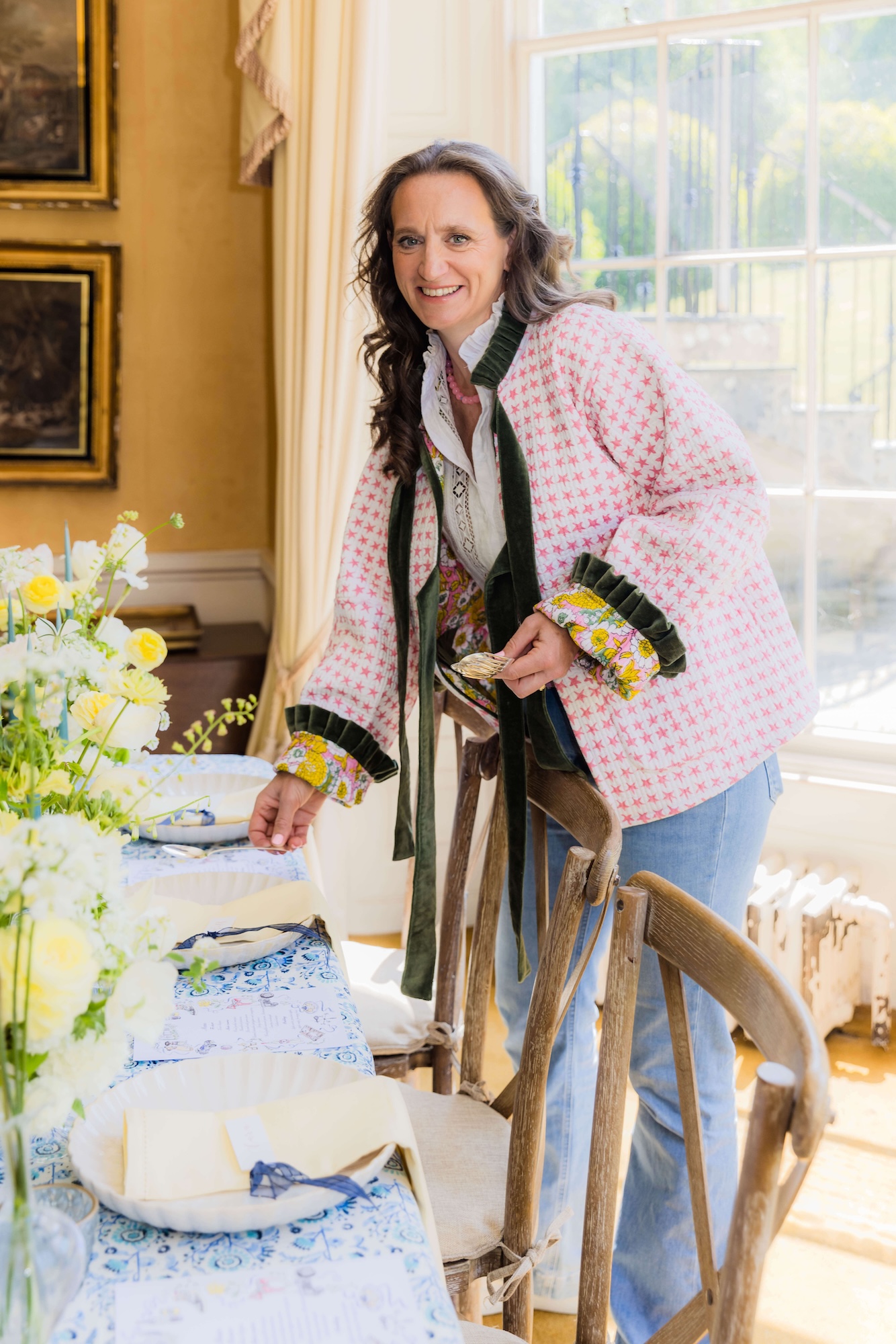
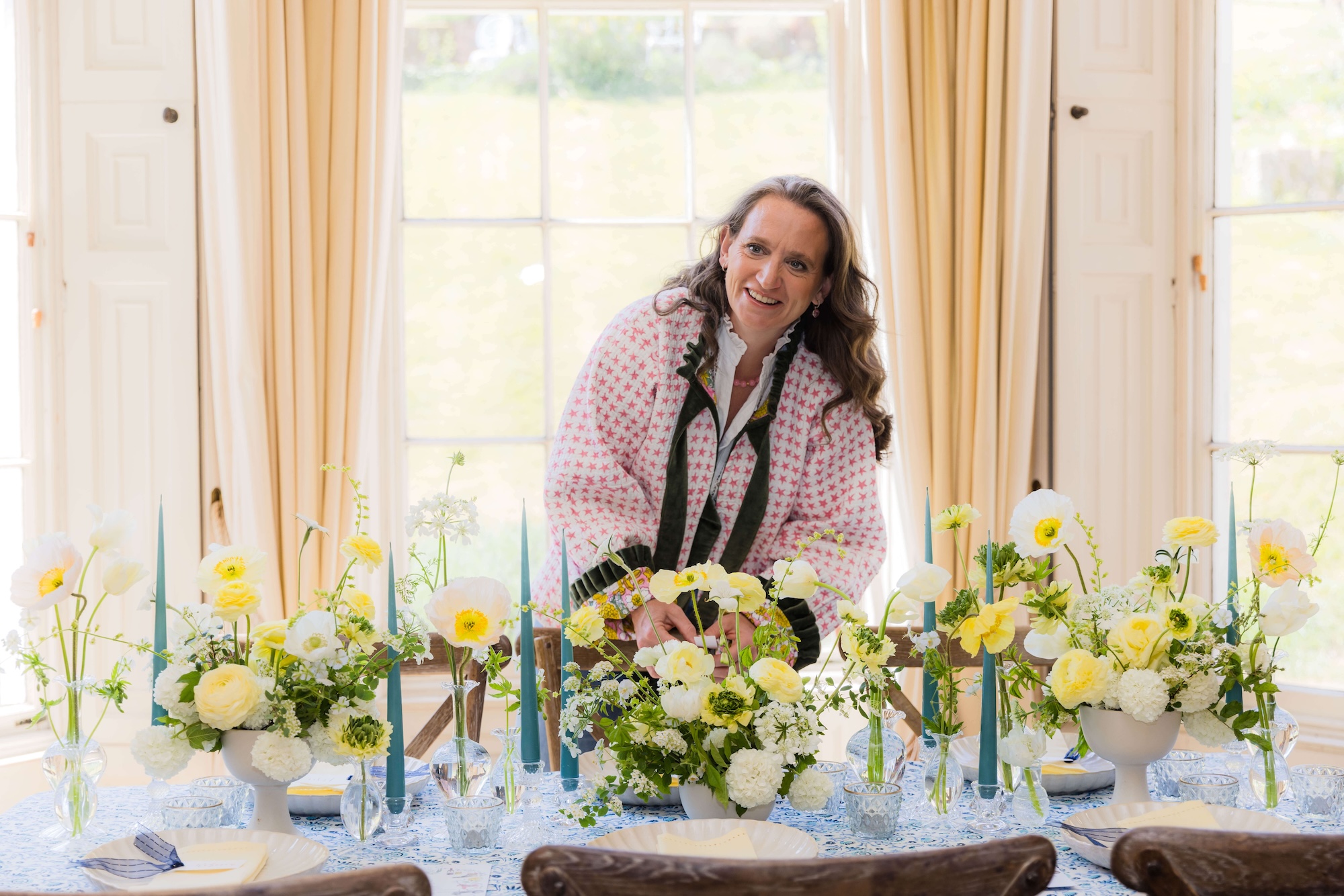
As a UK-based wedding planner who specialises in destination weddings, marquee celebrations, and planning support for couples living abroad, I’m here to guide you through the process from start to finish. I hope this information gives you everything you need to know about getting legally married in the UK and how to make the journey to your wedding stress-free.
Why Get Married in the UK?
Before we dive into the legal bits, let’s talk about why the UK is such a popular destination for weddings especially among international couples.
- Stunning venues: From historic estates and chic city hotels to countryside gardens and coastal backdrops, the UK offers an incredible variety. Take a look at some of my favourite Berkshire wedding venues, Oxfordshire wedding venues, Isle of Wight wedding venues to name a few!
- Seasonal beauty: Spring blossoms, summer florals, golden autumn hedgerows, and crisp winter charm (Read my guide on what to wear to a garden wedding, no matter the season! XXX)
- Tradition and elegance: All with modern and personal twists
- Family connections: For those returning to celebrate ‘at home’
- Exceptional suppliers and planning expertise: To bring your vision to life
Whether you’re planning a relaxed marquee wedding in your parents’ garden, a chic city escape, or a full wedding weekend in the Cotswolds, the UK offers unmatched versatility. But you’ll need to follow specific UK wedding laws to ensure your marriage is recognised both here and back home.
Understanding UK Wedding Laws: The Essentials
1. You Must Give Legal Notice of Marriage
If you want your wedding to be legally binding in the UK, both partners must give formal notice of your intention to marry.
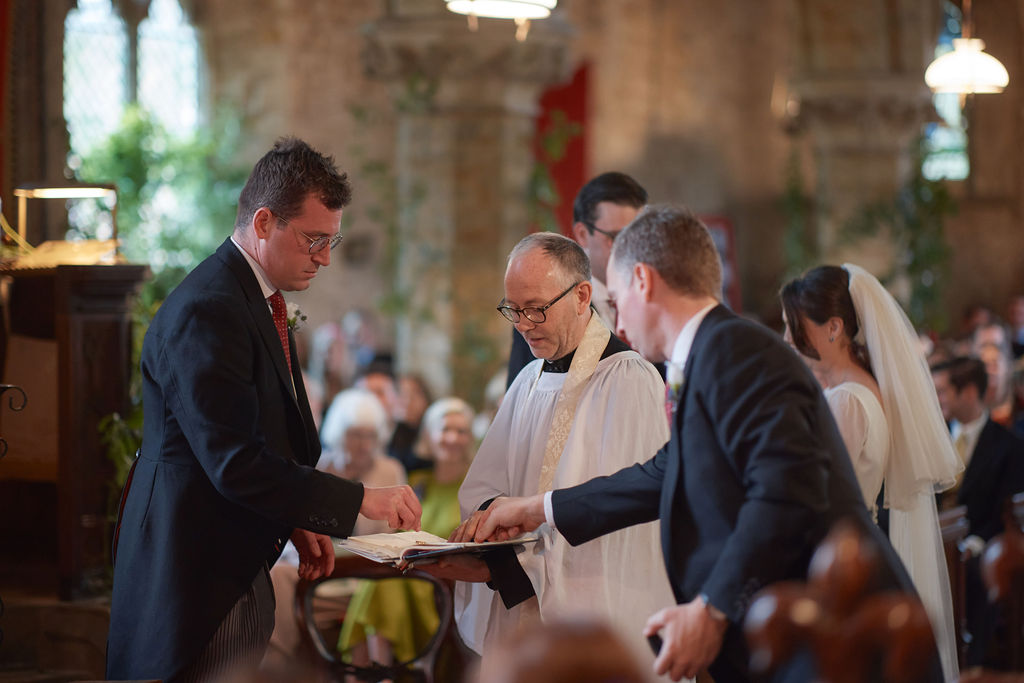
- If you’re getting married in the Church of England or the Church in Wales, you don’t need to give notice at the Register Office. Instead, banns (a public announcement of the proposed marriage) are normally read in the parish church of each partner, and in the church where the wedding will take place. Banns must be read on three Sundays before the ceremony.
- If you are planning a non-religious marriage at a registry office or licensed venue, you must give notice in person at a UK registry office at least 29 days before your ceremony. This notice is valid for 12 months, so planning ahead is key.
- If one or both of you live outside the UK, you’ll need to apply for a Marriage Visitor Visa and be in the country for at least 7 days before giving notice.
2. You Can’t Legally Marry Just Anywhere
While the UK offers some of the world’s most breathtaking wedding backdrops, UK wedding laws restrict where legal ceremonies can take place.
You must marry in one of the following:
- A licensed venue for civil ceremonies (e.g. hotels, manors, barns, or registered outdoor spaces)
- A religious building registered for weddings (e.g. churches, temples, synagogues)
- A registry office
This means private homes and gardens, like your family’s countryside estate, are not legally recognised for the ceremony unless they’ve gone through the formal venue licensing process.
Read on for more information on – Can you get married legally in your garden?
3. Consider a Two-Part Wedding
Most international couples opt for the best-of-both-worlds approach:
- Hold a legal ceremony at a registry office (either quietly beforehand or on the same day) or get married legally in their own country.
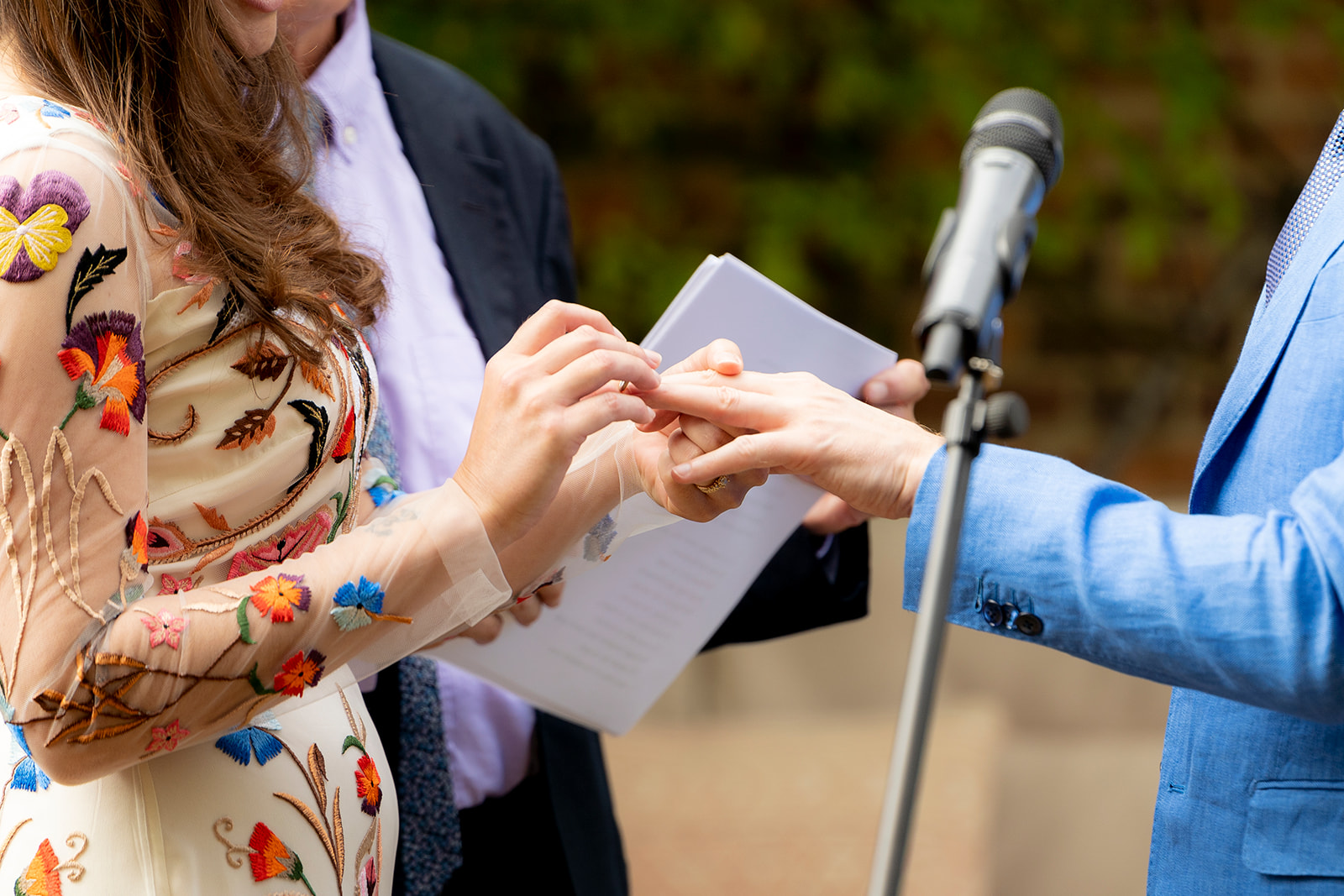
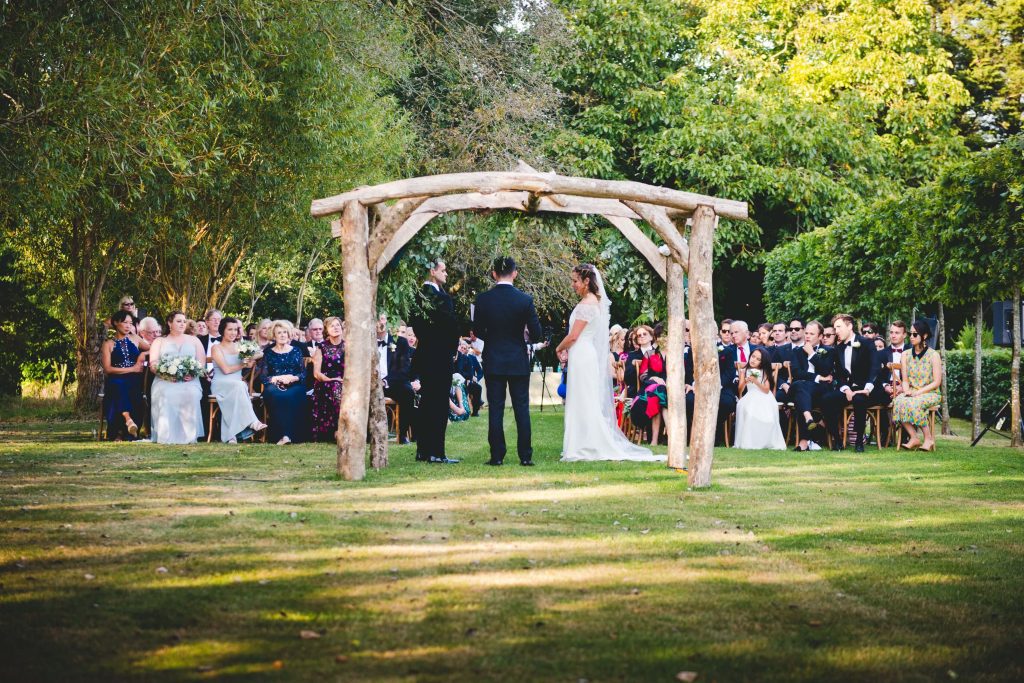
- Host a personalised symbolic ceremony in the location of your dreams—such as a marquee on a country or coastal estate, a chic London hotel or historic country house.
This gives you full flexibility for content, style, timing, and location without being bound by the legal restrictions of licensed venues.
At Honour & Pop, I can help you design a ceremony and wedding celebration that feels just as meaningful and emotional as a legal one often even more so, as we can bring in personal vows, cultural elements, and rituals without limits.
Read about Camilla and Severin’s deeply personal ceremony in their garden here
Legal Ceremonies vs. Symbolic Ceremonies: What’s the Difference?
Legal Ceremony
- Must follow UK legal rules
- Must be conducted by a registrar or religious official
- Requires official notice and witnesses
- Must be registered and recorded with the government
Symbolic Ceremony
- Ceremony can take place anywhere, any time
- You can hold it in a garden, marquee, forest, or beach
- No restrictions on music, readings, or language
- Can be led by a celebrant, friend or family member
- No legal paperwork needed
- Purely ceremonial and personal to you
How does a legal ceremony need to work?
Here’s a quick overview of the legal ceremony process in the UK:
- Book your legal ceremony at a registry office or licensed venue.
- Give notice in person at least 29 days before the ceremony.
- Attend the ceremony with two witnesses aged 16 or older.
- Sign the marriage schedule – this is your legal record of marriage.
- Receive your marriage certificate, which you can order after the event for name changes or legal use abroad.
It’s worth noting that in Scotland and Northern Ireland, legal ceremonies can take place almost anywhere with an approved celebrant but in England and Wales, the rules are still more restrictive.
Same-Sex Weddings and Civil Partnerships
The UK legally recognises both same-sex marriages and civil partnerships, with equal rights and identical legal processes.
Couples may choose to:
- Register a civil partnership, or
- Have a full marriage ceremony, religious or civil
You can also convert an existing civil partnership into a legal marriage if you wish.
Making the Most of a UK Wedding Celebration
Once the legalities are sorted, it’s time to focus on the magic of planning your wedding in the UK. Here’s how I support international couples at Honour & Pop:
Style Your Celebration
From mood boards to marquee layouts, I’ll work with you to design and bring your vision to life with bold, personalised styling. We can reflect your heritage, travels, or love story through every detail.
Find out more – how to plan a travel themed wedding with personal touches.
Find out more about my wedding stylist services
Simplify the Planning
Time zones, supplier communication, and overseas logistics can get tricky. I manage your full timeline, liaise with local suppliers, and act as your eyes and ears on the ground.
Find out more about my wedding planning services
Elevate the Guest Experience
Many guests will treat your wedding as a holiday. Let’s make it one to remember with welcome drinks, countryside walks, or a farewell brunch. I’ll help you build a relaxed, joyful weekend they’ll never forget.
Celebrate at Home (Even If It’s Not Legal)
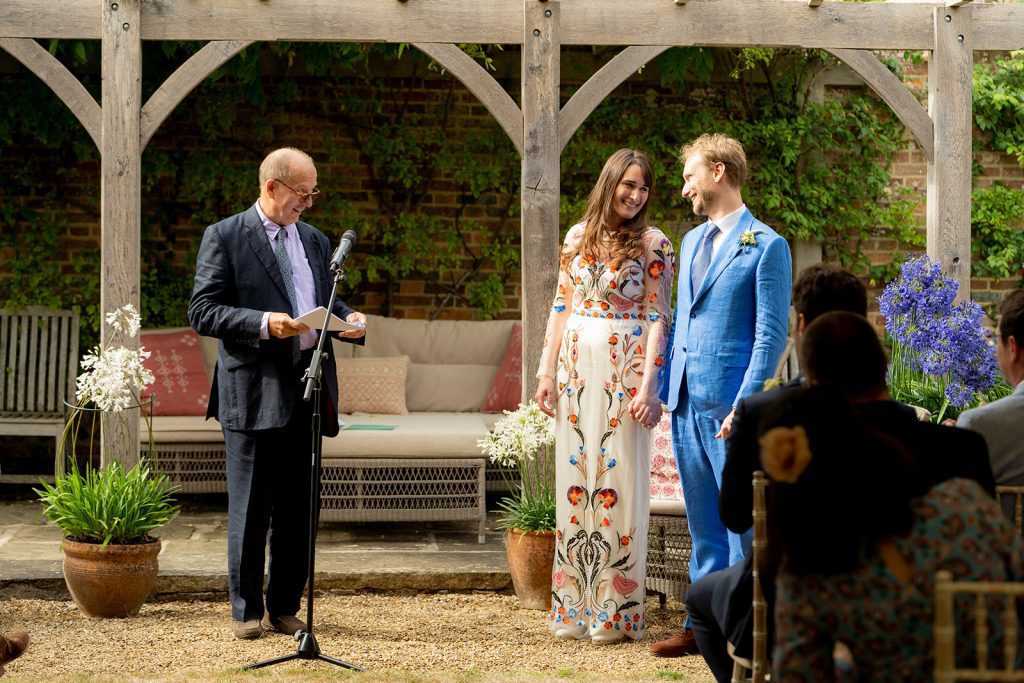
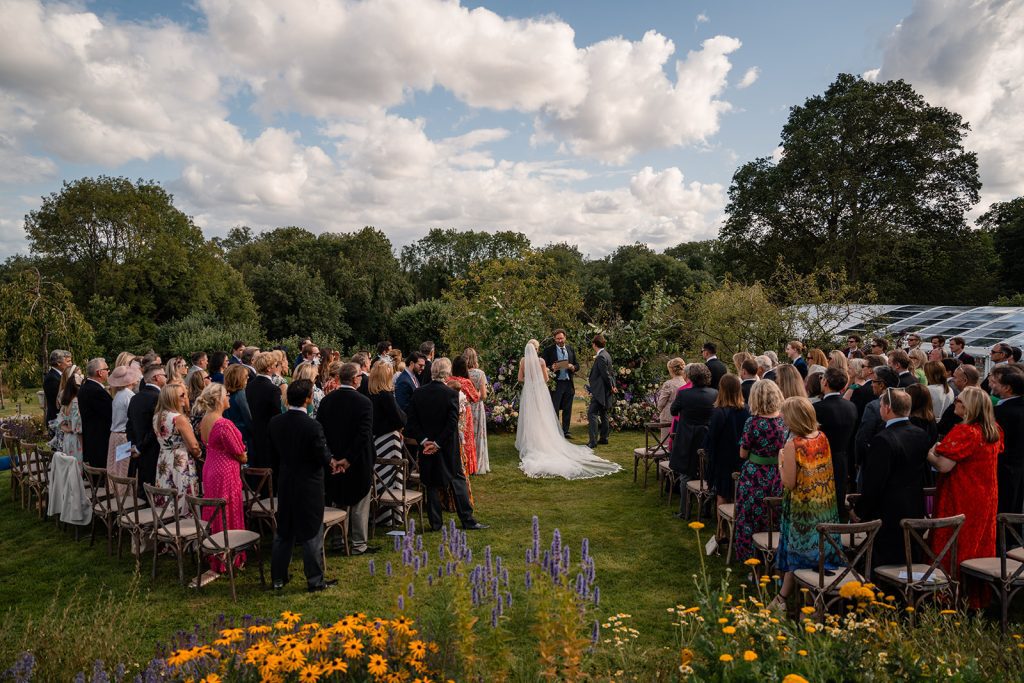
Host a symbolic ceremony in your family garden or estate with full styling, coordination, and flow. Even without a licence, it can be the emotional highlight of your entire wedding journey.
Final Thoughts: UK Wedding Laws Don’t Need to Hold You Back
Getting legally married in the UK as an international couple involves a few extra steps but it’s entirely doable with the right support.
Whether you opt for a quick registry office ceremony and a big marquee party, or you’re booking a licensed venue for an all-in-one day, I’m here to walk with you through every step. From legal logistics to creative styling and full event management, I help couples from across the globe plan joyful, beautiful weddings here in the UK.
Let’s make your UK wedding everything you hoped for stress-free, stunning, and truly yours. Get in touch to check my availability.
Antonia x
Photography credit: Chris Jelf, Green Lys Photo, Nico Wills, Helen Abraham Photography