What you’ll learn in this guide: When viewing a wedding venue, ask about the grounds seasonality, what’s included in costs, room sizes, access times, decoration rules, catering facilities, supplier flexibility, on-site coordination and availability. For country house and marquee venues, also ask about infrastructure (power, water, parking for suppliers), weather contingencies, marquee placement restrictions and whether you can bring your own wedding planner. Visit during the same season as your wedding if possible, take photos and trust your instincts. Most importantly, get everything in writing before booking.
So you’ve done your research and now it’s time to visit the wedding venues on your shortlist. As a wedding planner who specialises in country house weddings and marquee celebrations across Berkshire, Oxfordshire and the South of England, I’ve visited more venues than I can count, and I know exactly what questions really matter.
Whether you’re considering a beautiful country house, a blank canvas marquee site or a private estate, here are the essential questions to ask and details to look for during your venue viewing.
1. What will the grounds look like on your intended wedding date?
This is particularly important for country house weddings and marquee venues where the gardens and grounds become such a central part of your celebration.
Ask to see photographs of the grounds at the same time of year you’re planning to marry. This is especially helpful if you’re viewing on a cold wet winter day but planning a summer wedding, or the other way around. You want to know what the gardens will actually look like, not just imagine what they might be.
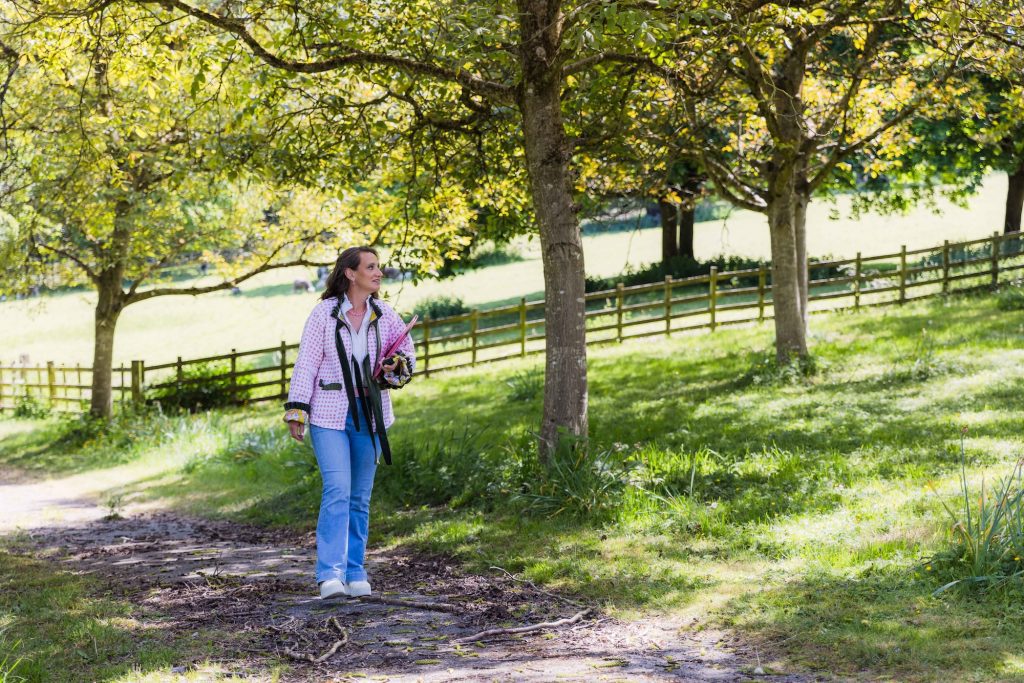
Also ask about different outdoor areas so you can start planning for photographs, your ceremony space or where drinks reception might flow. Country house venues often have multiple garden areas, walled gardens or scenic spots that work beautifully for different parts of your day.
For more on choosing the right setting, read my guide: How to plan a country house wedding
2. What’s actually included in the cost of the wedding venue?
As you walk around, take photos (just check first it’s okay to do this). Ask what is included in the costs as well as what is not included. This is really crucial for country house weddings and marquee venues where costs can add up quickly if you’re not careful.
Questions to ask
- You might see a beautiful floral arrangement on display in the reception hall. Is this purely for show or a permanent feature you can work into your wedding design?
- What about furniture, lighting, heating, power supply?
- For marquee venues in particular, ask whether the marquee is included or hired separately, what about flooring, furniture and lighting, are toilets included, is there a generator or mains power and what catering facilities are provided.
- Is the marquee included or hired separately?
- What about flooring, furniture, lighting?
- What toilet facilities are available or need to be hired?
- Is there a generator or mains power?
- What catering facilities are provided?
Understanding exactly what’s included helps you budget accurately right from the start.
For detailed budgeting guidance, read: Ten Steps for Creating a Wedding Budget.
3. Are the spaces the size you need for the size of your wedding?
Talk through and visit all the areas for every element of your wedding. From the ceremony room where you’ll marry through to the room for dining to the evening space where your dance floor and bar will be.
For country house venues, walk through the flow of the day. Can guests move easily between spaces? Are there enough indoor backup options if the weather turns?
For marquee sites, ask about the maximum and minimum marquee sizes the space can accommodate. Stand in the actual spot where the marquee would be positioned and really visualise how it will work with your guest numbers.
You may have already checked capacity before viewing but it’s always good to actually feel the space by standing in it.
Questions to ask yourselves here:
- Can guests move easily between spaces?
- Is the venue easy for guests to find?
- How far is the nearest town for accommodation?
- Are there enough indoor backup options if the weather turns?
- Can the marquee accommodate ceremony and reception if needed?
- Are there covered walkways between spaces?
- What heating/cooling options are available?
- Where exactly can the marquee be positioned?
Still debating whether marquee or country house wedding? You may find my guide helpful: Marquee vs Wedding Venue – How to Decide.
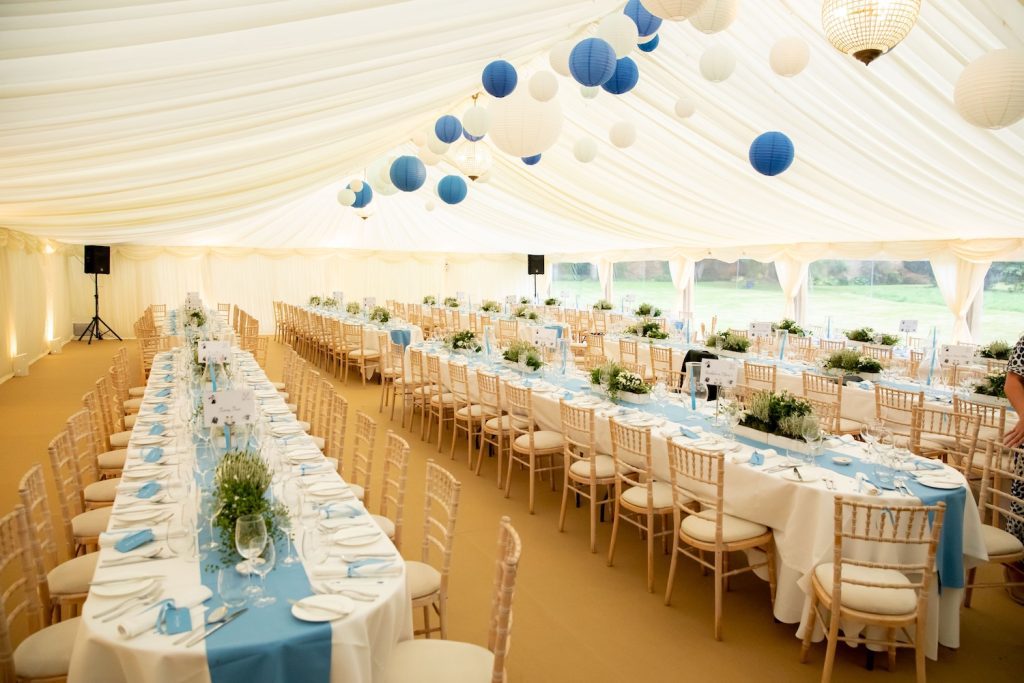
4. Are there any access or timing restrictions at your wedding venue?
Make sure you’re clear on access times, particularly for country house and marquee weddings where setup is more involved.
Questions to ask
- When can you or your wedding suppliers arrive to set up on the wedding day or before? For marquee weddings, setup typically takes 2-3 days, so early access is essential.
- Is there adequate parking for supplier vehicles and guest cars?
- What are the check-in and check-out times for any accommodation you’re using onsite? Is there easy drop-off access? Are there any potential difficulties or restrictions for lorries and vans delivering marquee equipment, furniture or catering supplies?
- Does the bar have opening and closing times? What time must music stop in the evening and guests depart?
- Are there noise restrictions from neighbours?
- What time can music play until?
For home-style venues and private estates, noise restrictions can be more flexible, but always check. You don’t want surprises on your wedding day!
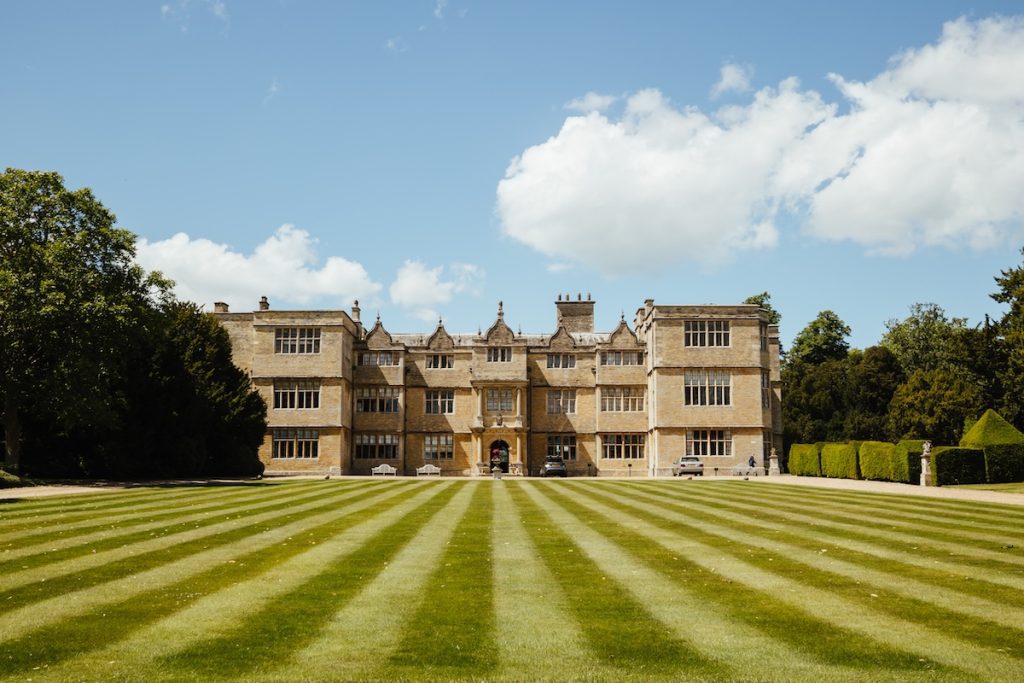
5. What kind of wedding decor and styling is suitable?
Some wedding venues are wonderfully relaxed and let you decorate the space as you choose, while others have stricter rules about what can and cannot be done.
Country house venues often have restrictions to protect historic features, which is completely understandable. Knowing these upfront helps you plan your styling accordingly.
Questions to ask
- Can I use real candle flames?
- Can decorations be attached to walls or banisters?
- For marquee sites, is it safe to dig for marquee stakes?
- What’s the ground like for marquee installation?
- Are there underground services (cables, pipes) to be aware of?
- Are there restrictions on confetti or petals?
- Can we bring in hanging installations or statement pieces?
For styling inspiration and what’s possible, visit my wedding stylist services page.
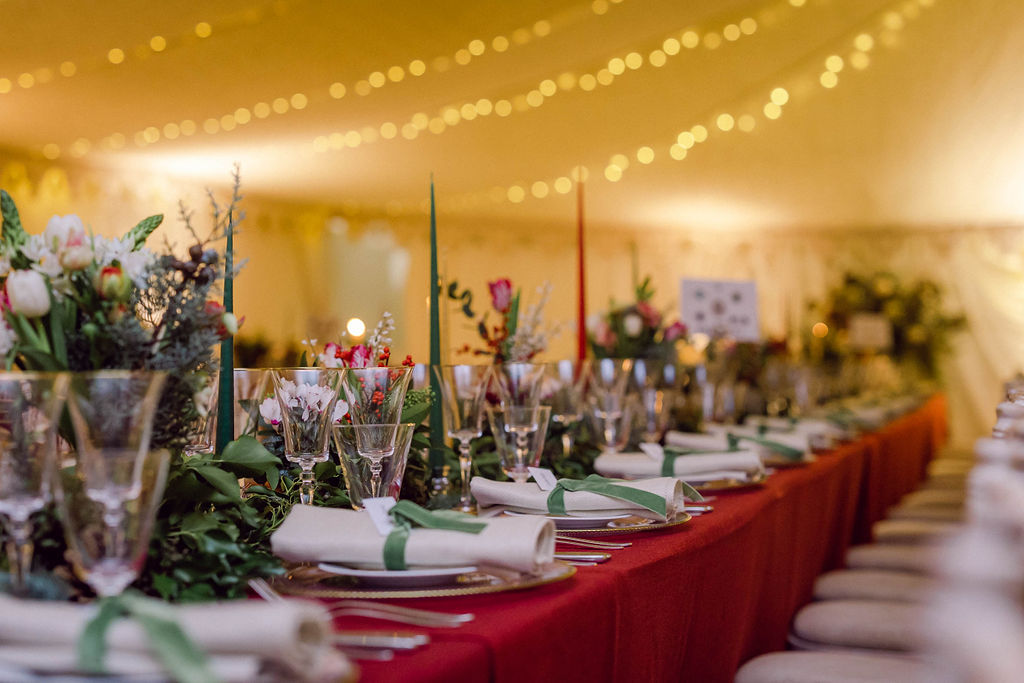
6. What are the wedding catering options?
From a catering perspective, this is one of the most important areas to understand, especially for country house and marquee weddings.
For marquee weddings, catering logistics are particularly important as everything needs to be brought in. Understanding the facilities helps you choose the right caterer and budget appropriately.
Questions you need to ask
- Is there a kitchen onsite?
- Does it have cooking equipment or is it just a staging area?
- How far is it from the reception area?
- If not, how do caterers normally set up at the venue?
- Does the venue provide a marquee or tent for caterers?
- What power is available?
- Is there running water?
- Where can caterers park and unload?
7. Does the venue have recommended suppliers?
It’s really important to discuss recommended wedding suppliers. Does the wedding venue have a recommended suppliers list or is there flexibility to bring in suppliers that you’d like?
You’ll almost certainly know this before viewing having checked out their website, but it’s worth talking through to be absolutely clear. Many venues are quite open to ideas and discussion.
Remember that if a wedding venue does have recommended suppliers, they should be choosing trusted professionals. Venues wouldn’t recommend wedding suppliers who didn’t have high standards as it would reflect badly on them.
For country house and marquee weddings, having flexibility with suppliers is often important as you may need specialists who understand this style of celebration.
Read more in my guide: How to Choose Your Marquee Company.
8. Can you hire your own wedding planner?
Check if the venue allows you to bring in your own wedding planner and stylist if you’re using one. This is particularly important for country house and marquee weddings where coordination is more complex.
The venue may have a wedding venue coordinator, but what actually is their role? Are they just available to help with planning before your wedding or are they available on the day? What exactly is their specific role?
Often, venue coordinators focus on venue-specific logistics (setup, breakdown, venue rules) rather than full day-of coordination with all your suppliers. If you’re planning a marquee wedding or country house celebration, you’ll likely really benefit from having your own planner who can coordinate everything.
With this in mind, you may want to consider booking me for On-the-Day Wedding Coordination.

9. IS THE WEDDING VENUE actually AVAILABLE?
Take the opportunity to discuss the venue’s current availability. Talk through their booking terms and conditions as well as the payment schedule.
For popular country house venues and marquee sites, summer dates book up quickly, often 12-18 months in advance. If you have flexibility with your date, you may have more options.
Viewing Country House and Marquee Venues Across the South of England
If you’re looking at country house venues or marquee sites across Berkshire, Oxfordshire, Gloucestershire, the Cotswolds, Wiltshire, Hampshire or the Isle of Wight, I’d be happy to help.
I know many of these venues well and can offer guidance on what to look for, questions to ask and whether a particular venue suits your vision and needs.
Need Support with Wedding Venue Finding?
If you’d like help with venue finding or would like support visiting wedding venues, I’d be delighted to help. As a wedding planner specialising in country house and marquee weddings, I can guide you through the process and help you ask the right questions.
Get in touch or follow me on Instagram to see my latest work and plenty of tips and advice.
Antonia x
Photography credit: Helen Warner Photography, Chris Jelf, Emily Little, Greenlys Photography, Bizzy Arnott
FAQ about viewing wedding venues
What are the most important questions to ask when viewing a wedding venue?
The most important questions cover what’s included in the hire cost, access times for you and suppliers, catering facilities, decoration restrictions, supplier flexibility and whether you can bring your own wedding planner. For country house and marquee venues, also ask about infrastructure such as power supply, toilets and marquee placement.
How many wedding venues should I visit before booking?
Most couples visit between two and five venues before making a decision. It’s worth seeing a few so you have a genuine comparison, but don’t overwhelm yourself. Often couples know fairly quickly when a venue feels right. Trust your instincts alongside the practical questions.
When should I visit wedding venues?
As early as possible in your planning journey, ideally 12-18 months before your wedding date for popular country house venues and marquee sites. If you can, visit during the same season as your planned wedding date so you get a realistic picture of what the grounds and spaces will actually look like.
What should I look for when visiting a country house wedding venue?
Look at how the spaces flow between different parts of the day, what outdoor areas are available for ceremonies and drinks receptions, what infrastructure is in place or needs to be hired, any restrictions on decoration or suppliers and whether the venue has experience hosting marquee weddings. Also consider access for large supplier vehicles and guest parking.
Do I need a wedding planner when viewing venues?
Not essential, but having an experienced wedding planner with you can be really valuable. A planner knows exactly what questions to ask, can spot potential logistical challenges you might miss and can help you assess whether a venue genuinely suits your vision. Read more about my wedding planning services.
What's the difference between a venue coordinator and a wedding planner?
A venue coordinator works for the venue and focuses on venue-specific logistics such as setup, breakdown and venue rules. A wedding planner works for you and coordinates everything including all your suppliers, timelines and styling. For country house and marquee weddings especially, having your own planner makes a significant difference.
Can I negotiate with a wedding venue?
It’s always worth having a conversation. Some venues have flexibility on pricing, particularly for off-peak dates or midweek weddings. Others may be able to include extras such as additional hours, accommodation or furniture. Always ask politely and see what’s possible before making your final decision.
What should I do after viewing a wedding venue?
Write down your thoughts and feelings while they’re fresh, review your photos and notes, compare venues against your priorities (budget, guest numbers, style, location) and follow up with any questions that came to mind afterwards. Never feel rushed into booking. A good venue will give you time to make the right decision.
How do I know if a wedding venue is right for me?
Beyond the practical questions, trust your gut. Does the venue feel right for you as a couple? Can you picture your wedding day there? Do the staff make you feel welcome and excited? The practical details matter enormously, but so does that instinctive feeling when you walk through the door.