The question has been popped and you said yes. You’re engaged. Huge congratulations!
This is such a special moment and it deserves to be enjoyed, not rushed or overthought. Alongside the excitement, it’s very normal to feel a little unsure about what happens next, especially once the questions start coming in and social media opens the door to a thousand opinions.
As a UK wedding planner, this is one of the very first questions couples ask me. What should we actually do first after getting engaged?
The good news is that there is no need to leap straight into wedding planning mode. Before you start visiting venues or pinning everything in sight, there are a few gentle first steps that will help you feel grounded, confident and ready for what comes next.
Before you start planning anything
It’s important to remember – your engagement is not a to do list. You do not need a date, or anything planned straight away. You simply need time to enjoy being engaged and to start talking together about what you want your wedding to feel like.
1. Share the news in your own time
Some couples want to tell everyone immediately. Others keep it quietly between them for a while. Both are completely fine.
When you do start sharing the news, it’s often nicest to begin with parents, close family and friends before posting publicly. That way the people who matter most hear it from you directly.
There is no correct timeline here. Do what feels right for you.
2. Celebrate the engagement
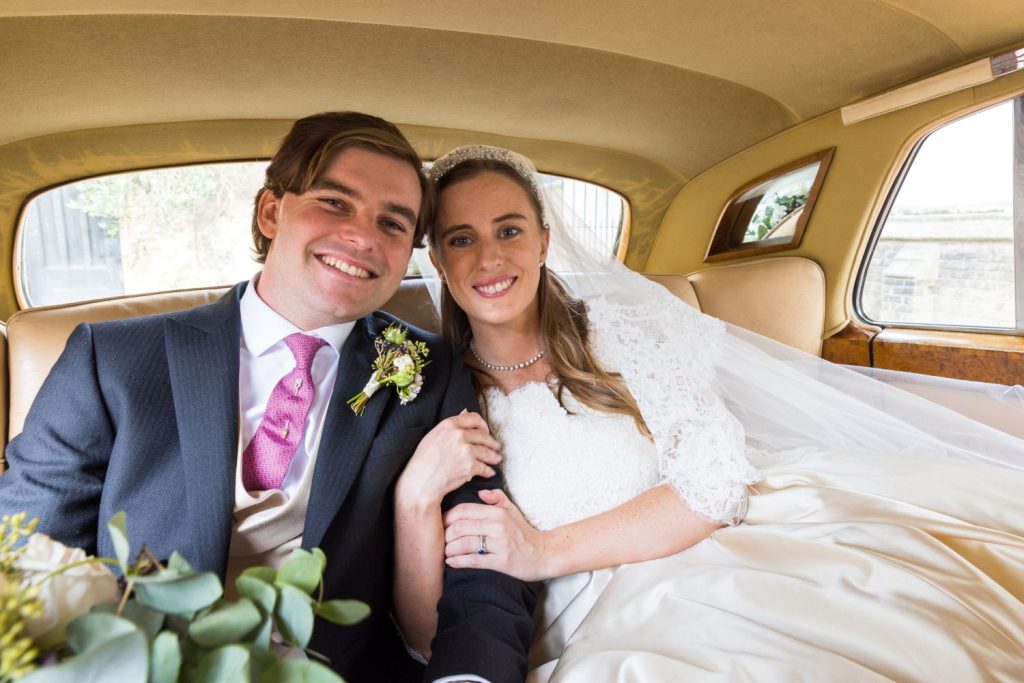
This does not have to mean an engagement party unless you want it to. This might be a relaxed dinner, spontaneous drinks, a weekend away or simply opening a bottle at home. The important thing is marking the moment together and enjoying the fact that you are engaged. Planning can wait. Celebration cannot.
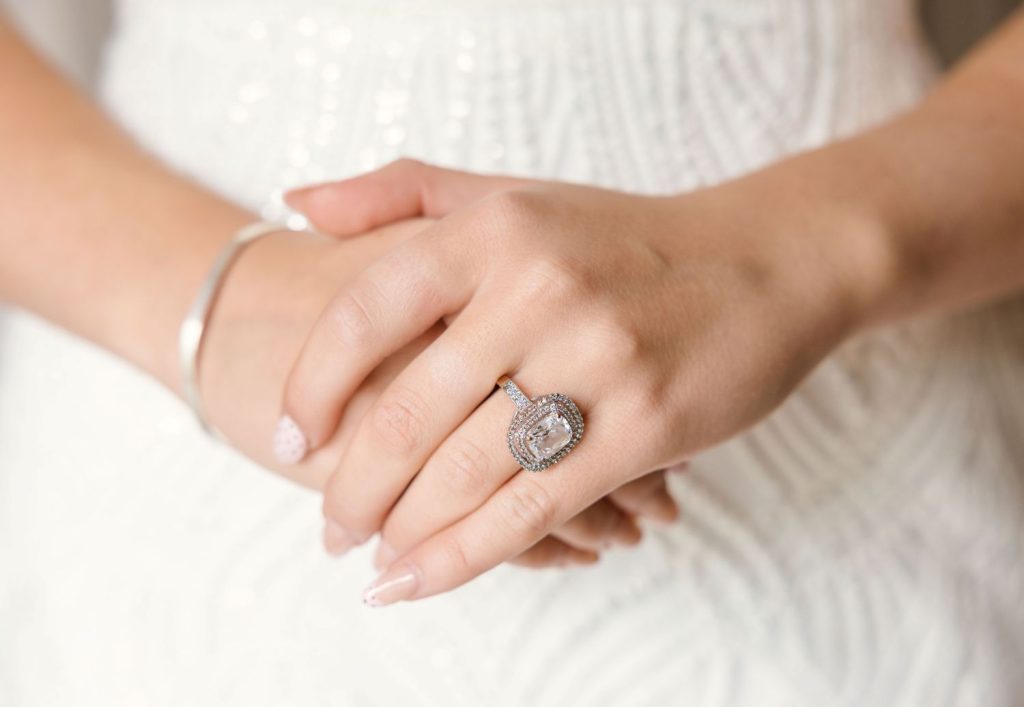
3. Take care of the ring
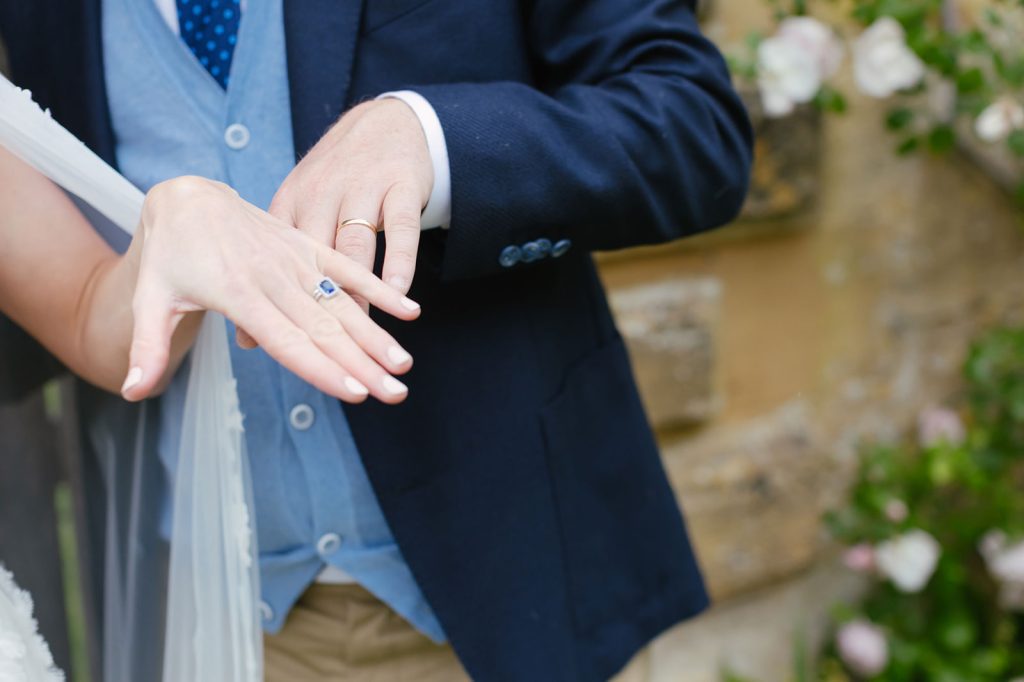
It’s not glamorous, but it is sensible. Arrange to have your ring sized if needed and insured as soon as you can. Many couples put this off and regret it later. Once it’s done, you can relax and enjoy wearing it without worry.
4. Begin to talk about dates
You will be asked about the date almost immediately. It’s fine not to have an answer.
At this stage, a year, season or even just “we’re thinking next summer” is more than enough. This is also a good moment to talk together about whether you’re imagining a shorter or longer engagement.
If you want more help with this decision, use my guide on Wedding dates – seven steps for setting a wedding date.
6. Start noticing what you’re drawn to
This is not the moment to disappear down the Pinterest rabbit hole.
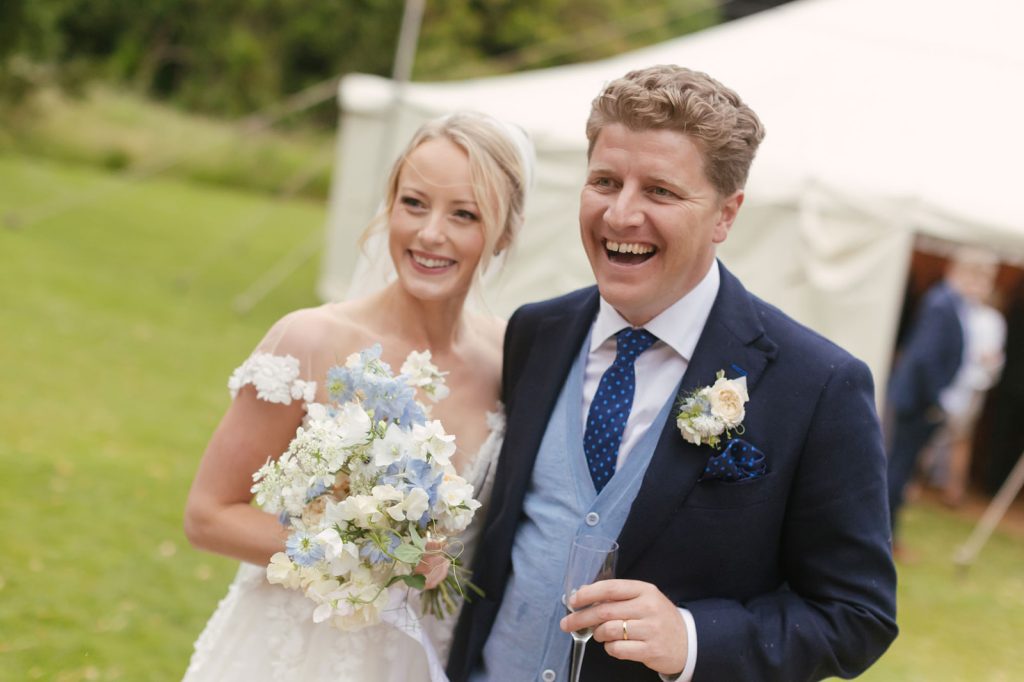
Instead, begin noticing what naturally catches your eye. Colours you love. Atmospheres that feel right. Weddings that feel relaxed rather than staged. Make notes. Save a few images. Keep it light. This gentle inspiration gathering is far more useful than collecting hundreds of conflicting ideas.
7. Talk about what matters most to you both
Before any planning begins, talk about priorities for you both. What feels most important to each of you? It might be the food, the setting, time with guests, the overall feeling of the day, or keeping things simple and personal.
When you understand what truly matters, the rest of your decisions become much clearer.
8. Know when to start planning properly
You do not need to start planning your wedding the day after you get engaged.
For most couples, taking a few weeks or even a couple of months to enjoy being engaged makes the planning process calmer and more focused when it does begin.
If you’re unsure about timing, use my guide on top tips of when to start planning your wedding.
Enjoy being engaged
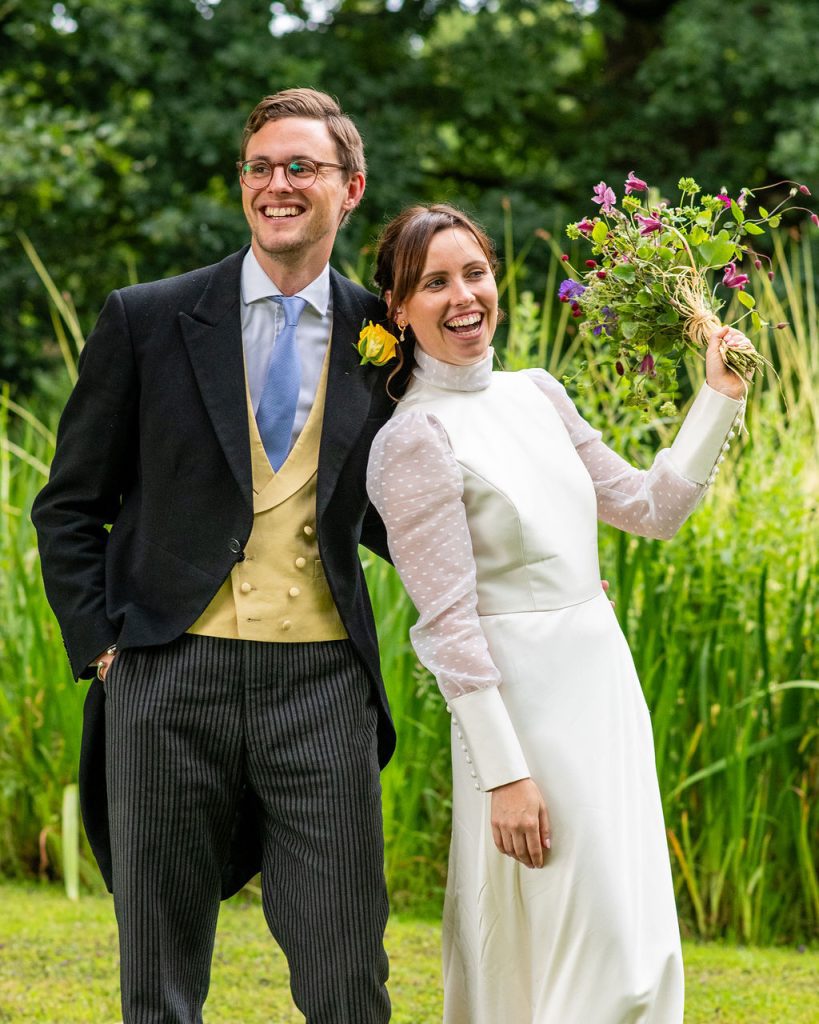
Above all, enjoy this time. Your engagement is not a race to the finish line. Make space for wedding free conversations, date nights and moments that have nothing to do with planning.
When support can make all the difference
Wedding planning takes time, energy and a lot of decision making. Having support early on can help you avoid overwhelm and costly mistakes, even if you only want help with certain parts of the process.
If you’d like to understand how a planner can support you, please read my guide on “Why hire a wedding planner?”
I work with couples across Berkshire, Oxfordshire, Wiltshire, Hampshire and beyond, helping them plan thoughtful, personal weddings with clarity and calm. Whether you want full planning support or guidance at key stages, I’m always happy to have a chat.
If you’re newly engaged and would like a calm, experienced sounding board as you start thinking about your wedding, I’d love to hear from you. I support couples across Berkshire, Oxfordshire and beyond, helping them plan weddings that feel relaxed, personal and beautifully considered.
Get in touch to arrange an initial, no obligation chat.
Antonia x
Photography credits: Anya Campbell, Annabel Farley Photography, Bullit Photography, Zoom Photo